Most Walkable Cities in Europe
Updated · By Zerzura · Costs and scores are Zerzura estimates · How we estimate
Quick answer: Copenhagen, Denmark ranks first with a Walkability & Transit score of 93/100. The score covers walking and public transport together.
- Next: Amsterdam (90/100) and Venice (88/100).
- The top 15 average 84/100, against 73/100 across all 79 European cities we score.
- #1
- Copenhagen 93/100
- Top 15 average
- 84/100
- European average
- 73/100
The top 3

1. Copenhagen
Denmark
Walkability & Transit 93/100 · $330 a day
A global benchmark for pedestrian and cycling infrastructure — Strøget is one of Europe's longest pedestrian streets, the metro runs 24/7, and nearly all major attractions are within walking or cycling distance of each other.
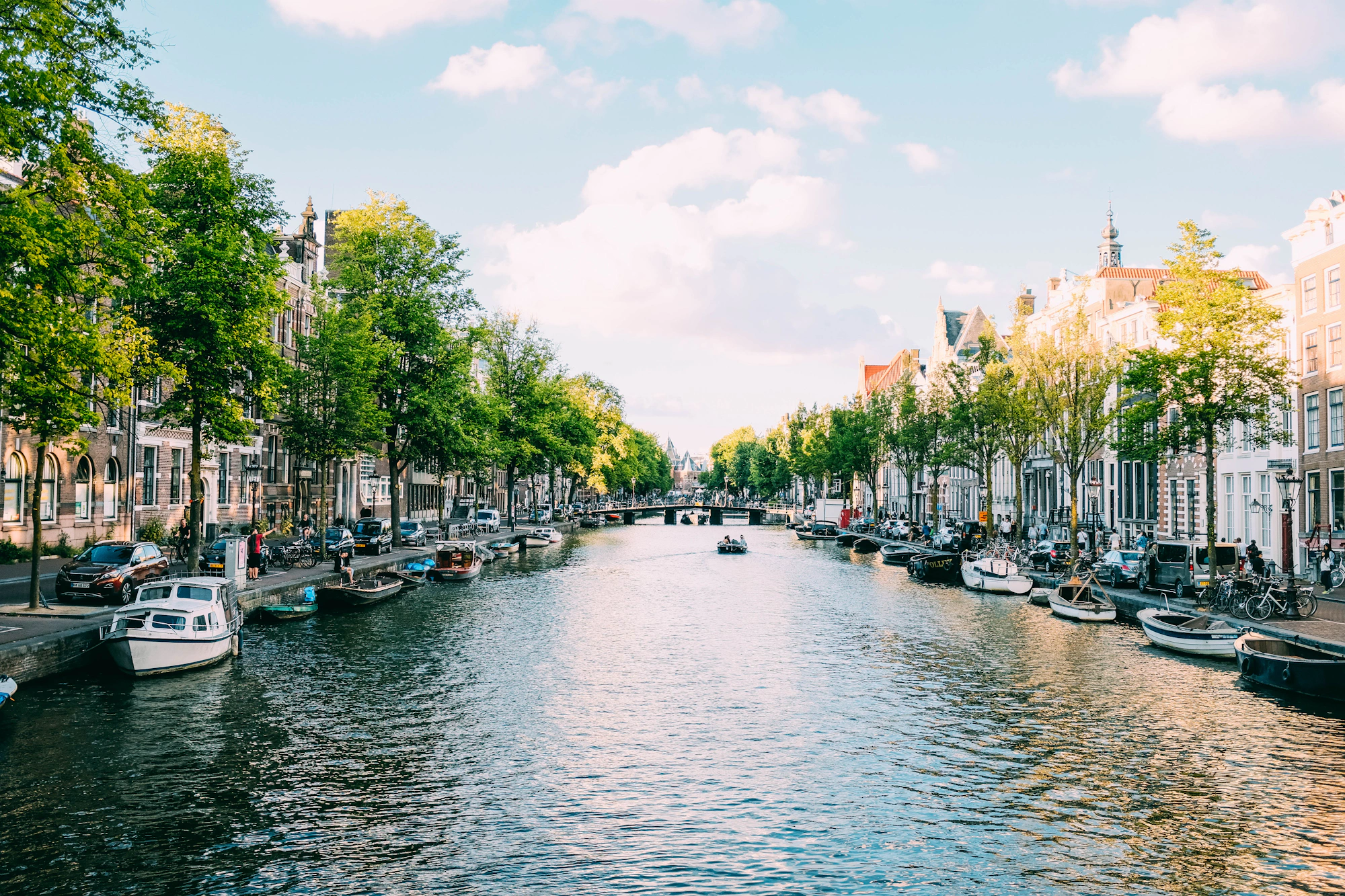
2. Amsterdam
Netherlands
Walkability & Transit 90/100 · $283 a day
The compact concentric canal ring means most major attractions are within 20–30 minutes on foot; GVB trams and metro cover the rest efficiently; dedicated cycling infrastructure is world-class; Amsterdam is a global benchmark for pedestrian and transit-friendly urban design.
3. Venice
Italy
Walkability & Transit 88/100 · $310 a day
Venice's historic island is entirely car-free and 100% pedestrian — tourists walk between nearly all major attractions, and the vaporetto water bus network covers the Grand Canal and outer islands reliably.

The full top 15
| Rank | City | Country | Walkability & Transit | Why | Balanced per day | Link |
|---|---|---|---|---|---|---|
| 1 | Copenhagen | Denmark | 93 | A global benchmark for pedestrian and cycling infrastructure — Strøget is one of Europe's longest pedestrian streets, the metro runs 24/7, and nearly all major attractions are within walking or cycling distance of each other. | $330 | Open Copenhagen in Zerzura |
| 2 | Amsterdam | Netherlands | 90 | The compact concentric canal ring means most major attractions are within 20–30 minutes on foot; GVB trams and metro cover the rest efficiently; dedicated cycling infrastructure is world-class; Amsterdam is a global benchmark for pedestrian and transit-friendly urban design. | $283 | Amsterdam travel guide |
| 3 | Venice | Italy | 88 | Venice's historic island is entirely car-free and 100% pedestrian — tourists walk between nearly all major attractions, and the vaporetto water bus network covers the Grand Canal and outer islands reliably. | $310 | Open Venice in Zerzura |
| 4 | Paris | France | 86 | Paris is one of the world's most walkable cities — the central arrondissements are compact, flat, and pedestrian-friendly, with major attractions (Louvre to Notre-Dame to Musée d'Orsay) walkable in under 30 minutes. | $300 | Paris travel guide |
| 5 | Zurich | Switzerland | 86 | The Old Town, Niederdorf, and lakefront are highly walkable and compact; the ZVV tram network is one of Europe's most punctual and covers the entire city — comparable to Vienna in pedestrian priority and transit quality, with minimal car dependency in the tourist core. | $480 | Open Zurich in Zerzura |
| 6 | Vienna | Austria | 85 | The Innere Stadt (Ring Road area) is highly walkable with major attractions within easy walking distance of each other. | $243 | Open Vienna in Zerzura |
| 7 | London | United Kingdom | 85 | Central London is highly walkable — South Bank to Westminster to Covent Garden to Soho can all be done on foot. | $313 | London travel guide |
| 8 | Utrecht | Netherlands | 84 | The medieval canal center is almost entirely car-free and highly pedestrianized; the Hoog Catharijne shopping complex connects directly to the train station; city buses and cycling infrastructure are excellent, though most major sights are clustered within a compact 2 km radius making transit rarely necessary for tourists. | $200 | Open Utrecht in Zerzura |
| 9 | Bruges | Belgium | 84 | The entire historic center is highly walkable and largely car-restricted; virtually all major attractions (Markt, Burg, Groeninge, Beguinage) are within a 20-minute walk of each other, though the city is compact enough that public transit within the center is rarely needed. | $213 | Open Bruges in Zerzura |
| 10 | Lucerne | Switzerland | 82 | The compact Old Town and lakefront are entirely walkable — Chapel Bridge, the Lion Monument, and the Old Town walls are all within a 15-minute walk of each other — and the city's tram/bus network is punctual and covers the wider city well. | $248 | Open Lucerne in Zerzura |
| 11 | Cesky Krumlov | Czech Republic | 80 | The entire UNESCO historic core is pedestrianized and extremely compact — virtually all major sights (castle, castle gardens, old town square, Egon Schiele museum) are within a 15-minute walk of each other. | $117 | Open Cesky Krumlov in Zerzura |
| 12 | Salzburg | Austria | 80 | The UNESCO Old Town, Mirabell Gardens, and Getreidegasse are all walkable within a 1.5 km radius, with pedestrianized zones and riverside promenades; Salzburg's trolleybus/bus network is reliable for wider city reach, comparable to a smaller-scale Vienna for the core tourist area. | $190 | Open Salzburg in Zerzura |
| 13 | Antwerp | Belgium | 80 | Antwerp's historic center is compact and highly walkable — the Cathedral, Grote Markt, Rubenshuis, and MAS museum are all within comfortable walking distance. | $193 | Open Antwerp in Zerzura |
| 14 | Rotterdam | Netherlands | 80 | Rotterdam city center is compact and pedestrian-friendly with excellent cycling infrastructure; metro lines A/B/C/D connect major neighborhoods efficiently, and key attractions like Markthal, Cube Houses, and Witte de With are easily walkable from Rotterdam Centraal — comparable to a mid-tier European capital like Brussels. | $205 | Open Rotterdam in Zerzura |
| 15 | Helsinki | Finland | 80 | Helsinki's compact peninsula center means Market Square, Senate Square, Esplanadi, and the Design District are all within 15–20 minutes on foot; a well-integrated tram, metro, and bus network covers the wider city reliably, and trams are a tourist-friendly way to navigate — comparable to Vienna in pedestrian priority and transit quality. | $268 | Open Helsinki in Zerzura |
Questions
What is the most walkable city in Europe?
Copenhagen, Denmark, with a Walkability & Transit score of 93/100. A global benchmark for pedestrian and cycling infrastructure — Strøget is one of Europe's longest pedestrian streets, the metro runs 24/7, and nearly all major attractions are within walking or cycling distance of each other. Amsterdam and Venice follow.
Which European cities can you explore without a car?
The top 5 in our ranking are Copenhagen (93/100), Amsterdam (90/100), Venice (88/100), Paris (86/100) and Zurich (86/100).
Costs and scores are Zerzura estimates, last updated 23 November 2026. All costs are in U.S. dollars, all-in per day (one night’s stay plus a day’s spending), excluding flights.