Most Accessible Cities in the World for Wheelchair Users
Updated · By Zerzura · Costs and scores are Zerzura estimates · How we estimate
Quick answer: Singapore ranks first with an Accessibility score of 95/100.
- Next: Tokyo (91/100) and Utrecht (88/100).
- The top 20 average 84/100, against 51/100 across all 309 cities we score.
- #1
- Singapore 95/100
- Top 20 average
- 84/100
- All cities
- 51/100
The top 3
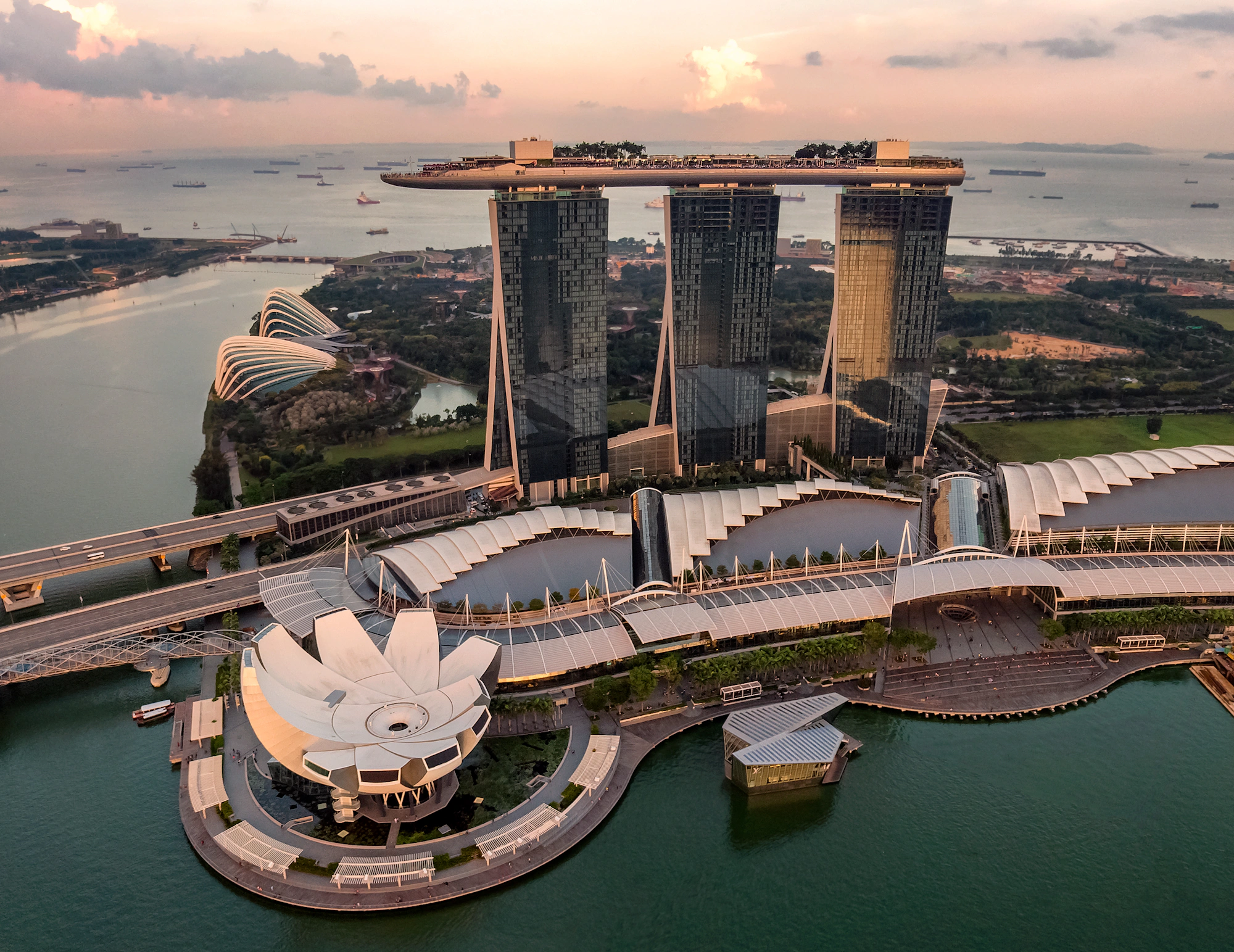
1. Singapore
Singapore
Accessibility 95/100 · $246 a day
Singapore's MRT system has lifts at every station, Changi Airport is fully step-free, and the city's flat terrain with well-maintained pavements and tactile guidance paths make it one of the world's most accessible cities — a benchmark alongside Tokyo.
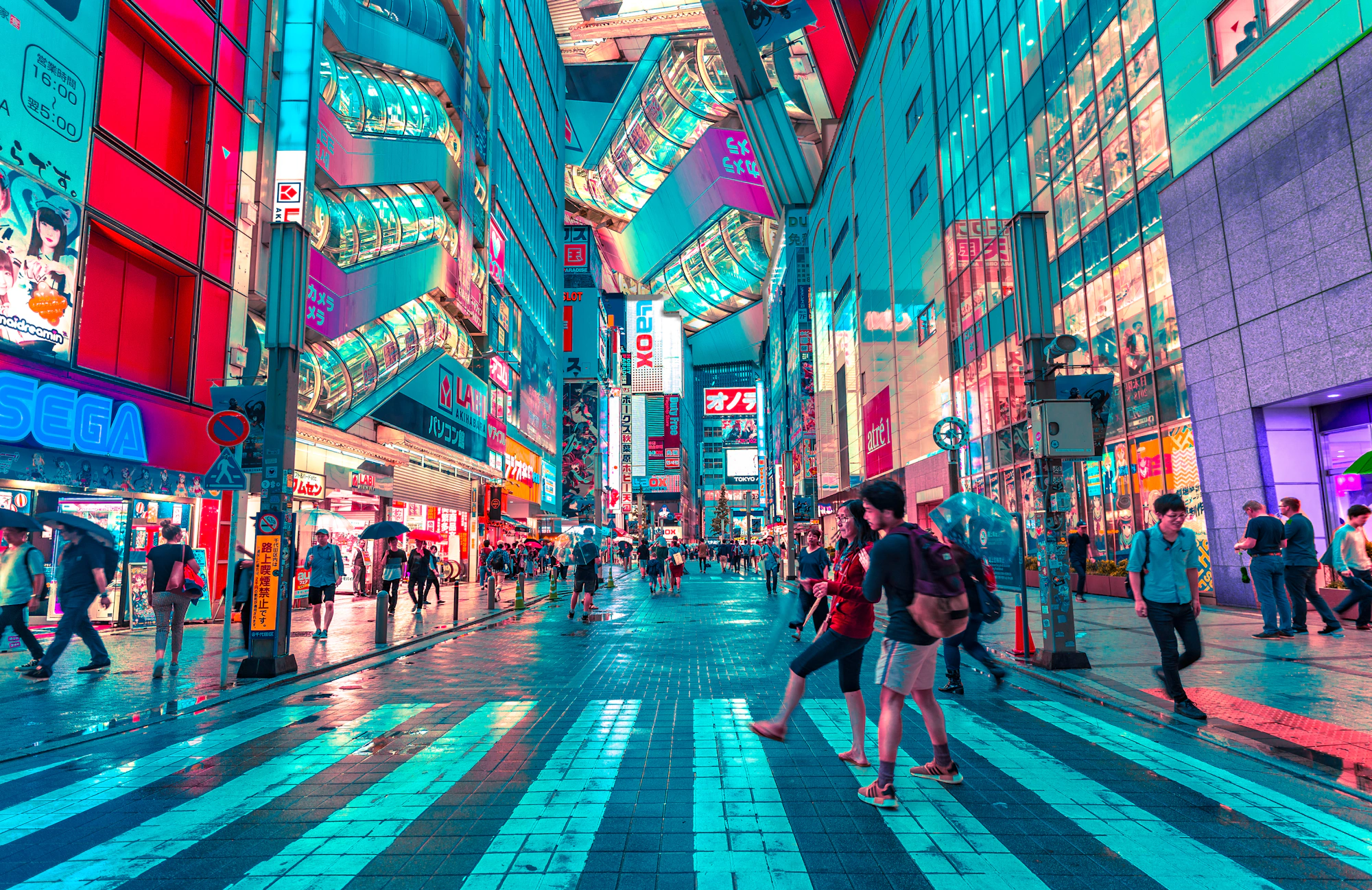
2. Tokyo
Japan
Accessibility 91/100 · $238 a day
Tokyo's train stations are equipped with elevators, tactile paving, and barrier-free signage as a national standard; major tourist sites have ramps and accessible facilities — Tokyo is frequently cited alongside Singapore as a global benchmark for accessible urban transit.
3. Utrecht
Netherlands
Accessibility 88/100 · $200 a day
Flat terrain, step-free access at the modern Utrecht Centraal station, and widespread ramps and lifts make the city easy to navigate for wheelchair users, with some uneven brick paving along the old canals.

The full top 20
| Rank | City | Country | Accessibility | Why | Balanced per day | Link |
|---|---|---|---|---|---|---|
| 1 | Singapore | Singapore | 95 | Singapore's MRT system has lifts at every station, Changi Airport is fully step-free, and the city's flat terrain with well-maintained pavements and tactile guidance paths make it one of the world's most accessible cities — a benchmark alongside Tokyo. | $246 | Singapore travel guide |
| 2 | Tokyo | Japan | 91 | Tokyo's train stations are equipped with elevators, tactile paving, and barrier-free signage as a national standard; major tourist sites have ramps and accessible facilities — Tokyo is frequently cited alongside Singapore as a global benchmark for accessible urban transit. | $238 | Tokyo travel guide |
| 3 | Utrecht | Netherlands | 88 | Flat terrain, step-free access at the modern Utrecht Centraal station, and widespread ramps and lifts make the city easy to navigate for wheelchair users, with some uneven brick paving along the old canals. | $200 | Open Utrecht in Zerzura |
| 4 | Brussels | Belgium | 88 | Many metro stations have lifts and most trams and buses on main routes are low-floor, but step-free access is not yet available at every station, and cobbles and the slope between the lower and upper town make some areas harder going. | $220 | Open Brussels in Zerzura |
| 5 | Rotterdam | Netherlands | 85 | Rotterdam has one of the most accessible transit systems in the Netherlands, with excellent metro, tram, and bus networks all featuring level boarding and lifts; the city's flat terrain and wide modern streets further aid mobility, on par with Amsterdam's accessibility standards. | $205 | Open Rotterdam in Zerzura |
| 6 | Hong Kong | China | 85 | MTR is fully air-conditioned, punctual, and has lifts at most stations; however, the extreme hilliness of Hong Kong Island creates challenges, partially offset by escalators, trams, and Star Ferry. | $263 | Open Hong Kong in Zerzura |
| 7 | Copenhagen | Denmark | 85 | Exceptionally flat city with excellent wheelchair-accessible metro, buses with ramps, and tactile paving throughout; Denmark's strong accessibility legislation means most attractions and transport are fully compliant. | $330 | Open Copenhagen in Zerzura |
| 8 | Osaka | Japan | 84 | Osaka's subway stations are well-equipped with elevators, tactile paving, and wheelchair ramps as mandated by Japan's Barrier-Free Law — station staff assistance is readily available, though some older shotengai shopping streets have uneven surfaces. | $263 | Open Osaka in Zerzura |
| 9 | Helsinki | Finland | 84 | The city has excellent disability infrastructure with flat, well-maintained pavements, modern low-floor trams and metro cars, and lifts at major transit hubs; the compact flat city center makes wheelchair navigation straightforward compared to hilly cities like Lisbon or Edinburgh. | $268 | Open Helsinki in Zerzura |
| 10 | Stockholm | Sweden | 84 | Stockholm's metro, buses, and ferries are wheelchair accessible, Arlanda has modern accessible facilities, and the relatively flat central areas (aside from Södermalm's hills) are navigable — comparable to Vienna in disability infrastructure. | $310 | Open Stockholm in Zerzura |
| 11 | Oslo | Norway | 84 | Oslo's T-bane, trams, and buses are well-equipped with step-free access, lifts, and audio announcements; the compact city center is flat and wheelchair-navigable, meeting EU accessibility standards across most public infrastructure. | $360 | Open Oslo in Zerzura |
| 12 | Zurich | Switzerland | 84 | ZVV public transit (trams, buses, trains) is largely step-free with elevators at major stops, and the city has invested heavily in accessible infrastructure — minor gaps exist on cobblestone Old Town streets, but overall accessibility rivals Berlin. | $480 | Open Zurich in Zerzura |
| 13 | Bruges | Belgium | 82 | The compact, flat medieval center is short on hills, but cobblestone streets throughout make wheelchair and walker use difficult, while many historic sights and buildings have only partial step-free access. | $213 | Open Bruges in Zerzura |
| 14 | Orlando | United States | 82 | Theme parks like Walt Disney World and Universal set a global benchmark for accessibility — wheelchair rentals, step-free access, and disability services are exceptionally well developed. | $265 | Open Orlando in Zerzura |
| 15 | Dubai | United Arab Emirates | 82 | The metro is modern and wheelchair accessible, and newer malls, hotels and attractions are built with ramps and elevators. | $333 | Dubai travel guide |
| 16 | Taipei | Taiwan | 80 | Taipei MRT is fully elevator-equipped at all stations with tactile paving and audio announcements — comparable to Tokyo's system; major attractions like Taipei 101 and the National Palace Museum have ramps and accessible facilities; older temple areas and some hillside neighborhoods have steps and uneven surfaces. | $155 | Open Taipei in Zerzura |
| 17 | Salzburg | Austria | 80 | Compact flat Old Town is highly accessible; however, key attractions like Hohensalzburg Fortress require a funicular or steep climb, and cobblestoned streets can challenge wheelchair users — broadly on par with Bruges or Bern. | $190 | Open Salzburg in Zerzura |
| 18 | Malmö | Sweden | 80 | Sweden mandates strong accessibility standards — Malmö's buses are low-floor and ramp-equipped, the central station is step-free, and most major attractions including Malmöhus Castle have accessible entrances; some older cobblestone streets in the old town create minor friction. | $210 | Open Malmö in Zerzura |
| 19 | Frankfurt | Germany | 80 | Frankfurt's U-Bahn and S-Bahn stations are largely equipped with elevators and step-free access, and the city has invested heavily in accessible infrastructure. | $238 | Open Frankfurt in Zerzura |
| 20 | Vienna | Austria | 80 | Vienna's U-Bahn has elevators at most stations, trams and buses are largely low-floor, and major attractions like Schönbrunn and the Kunsthistorisches Museum have accessible routes. | $243 | Open Vienna in Zerzura |
Well-known cities that are harder to get around
- Bali, Indonesia: 32/100. Bali is largely inaccessible for mobility-impaired travelers — uneven pavements, open drainage ditches on sidewalks, steep temple stairs, and no step-free public transit.
- Istanbul, Turkey: 38/100. Istanbul is one of the harder major cities for mobility-impaired travelers — Sultanahmet's cobblestone streets, steep hills in Beyoğlu, stair-heavy metro stations, and the historic Grand Bazaar present serious barriers with few ramps or lifts.
- Lisbon, Portugal: 38/100. Lisbon's steep hills, extensive cobblestone streets (calçada portuguesa), and historic trams with no step-free access make it one of Western Europe's most challenging cities for mobility-impaired visitors.
- Rome, Italy: 38/100. Rome is one of Europe's most challenging cities for mobility-impaired travelers — extensive cobblestone streets (sampietrini), few elevator-equipped metro stations, and ancient sites with limited ramp access make navigation genuinely difficult.
- Bangkok, Thailand: 40/100. Bangkok is challenging for mobility-impaired travelers — BTS Skytrain has elevators at some stations but not all, sidewalks are notoriously uneven and obstructed by vendors, and most temples involve stairs with no ramp alternatives.
Questions
What is the most accessible city in the world?
Singapore, with an Accessibility score of 95/100. Singapore's MRT system has lifts at every station, Changi Airport is fully step-free, and the city's flat terrain with well-maintained pavements and tactile guidance paths make it one of the world's most accessible cities — a benchmark alongside Tokyo. Tokyo and Utrecht follow.
What are the best cities in the world for wheelchair users?
The top 5 in our ranking are Singapore (95/100), Tokyo (91/100), Utrecht (88/100), Brussels (88/100) and Rotterdam (85/100).
Costs and scores are Zerzura estimates, last updated 23 November 2026. All costs are in U.S. dollars, all-in per day (one night’s stay plus a day’s spending), excluding flights.