Lisbon vs Porto: Which Should You Visit?
Updated · By Zerzura · Costs and scores are Zerzura estimates · How we estimate
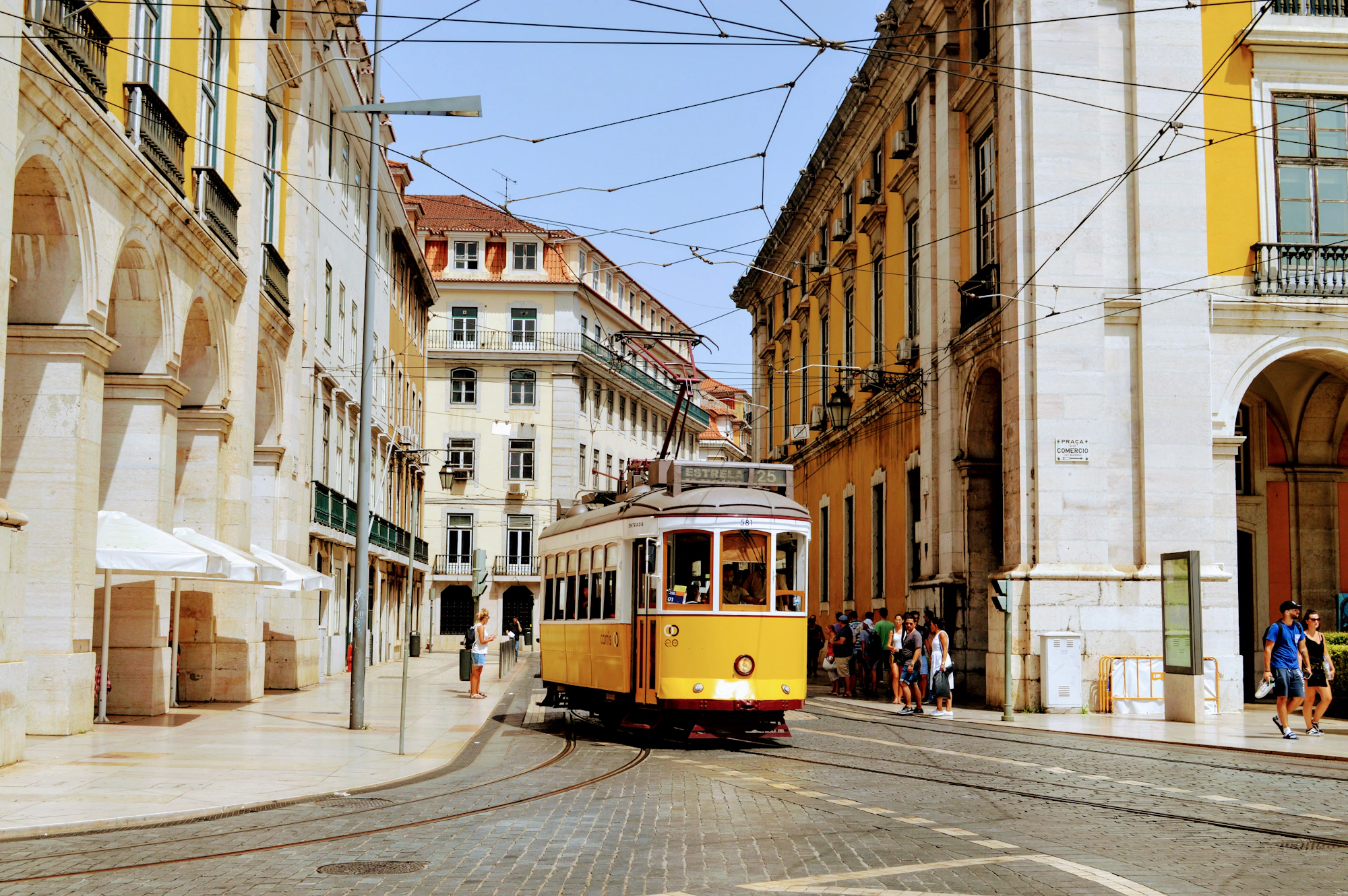
Lisbon
- Balanced, all-in
- $190 a day
- Official advisory
- Level 1: Normal precautions
- Best months
- Apr–Jun, Sep–Oct
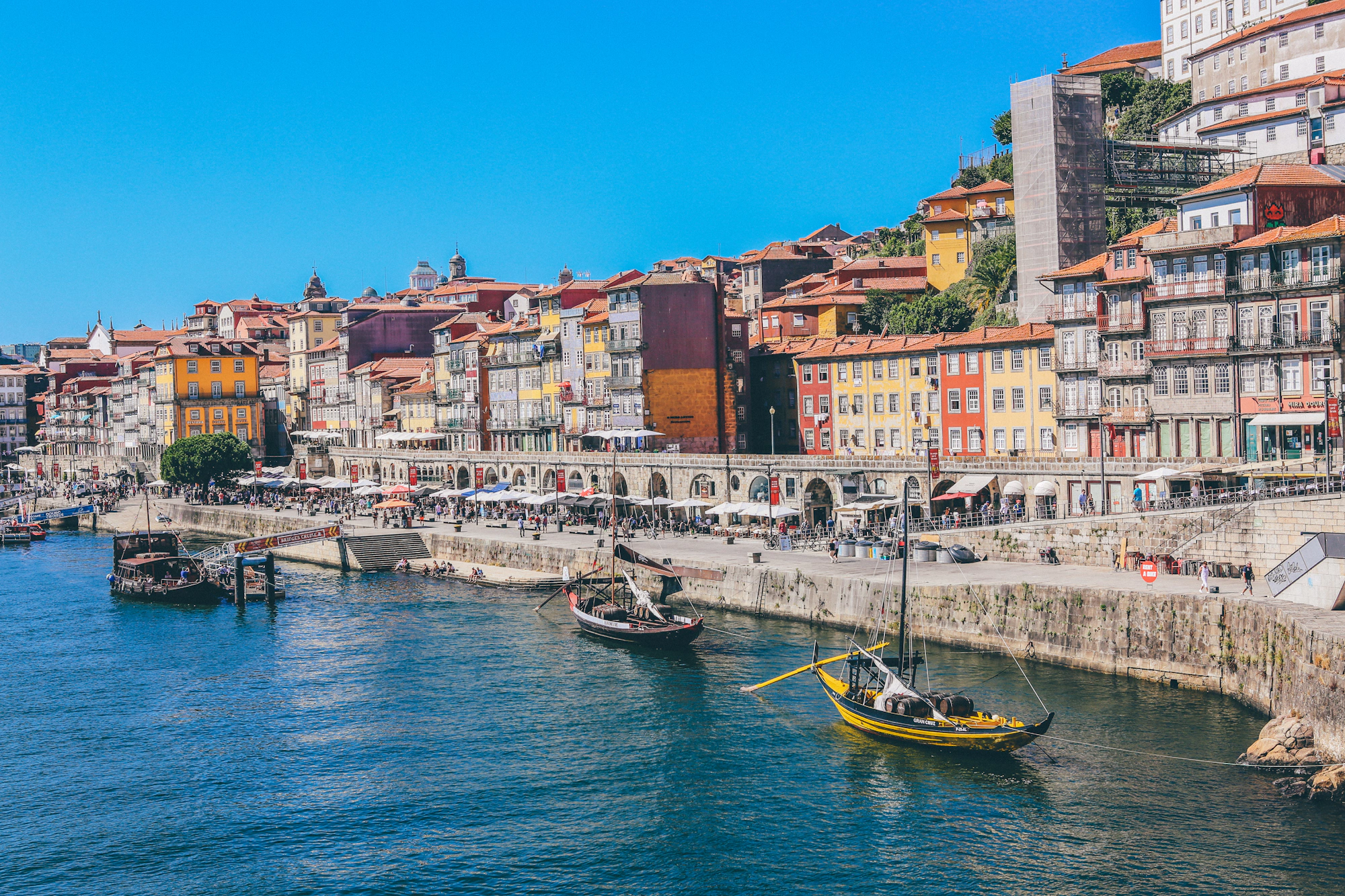
Porto
- Balanced, all-in
- $150 a day
- Official advisory
- Level 1: Normal precautions
- Best months
- Apr–May, Sep–Oct
Quick answer: Porto is cheaper: about $150 a day all-in on a Balanced budget, against $190 in Lisbon (Lisbon costs 27% more).
- Biggest difference: Food Scene, Porto 80 vs 72.
- Lisbon scores higher for Nightlife & Social and Trendsetting.
- Porto scores higher for Food Scene and Value for Money.
- Same official advisory level: Level 1, Normal precautions.
What each costs
| All-in per day (estimate) | Lisbon | Porto | Difference |
|---|---|---|---|
| Local (budget) | $91 | $74 | Lisbon +$17 |
| Balanced (mid-range) | $190 | $150 | Lisbon +$40 |
| Elevated (comfort) | $580 | $418 | Lisbon +$162 |
| Stay per night (estimate) | Lisbon | Porto | Difference |
|---|---|---|---|
| Local (budget) | $52 | $42 | Lisbon +$10 |
| Balanced (mid-range) | $98 | $82 | Lisbon +$16 |
| Elevated (comfort) | $260 | $158 | Lisbon +$102 |
These are prices for every traveler. With a free account, costs follow your own travel style.
Scores side by side
| Score | Lisbon | Porto | Why |
|---|---|---|---|
| Food Scene | 72 | 80 | Lisbon: Strong local identity — pastéis de nata, bacalhau, petiscos, and excellent seafood — but limited diversity across cuisines compared to Barcelona or Istanbul. Porto: Strong identity built around francesinha sandwiches, bacalhau, and exceptional tascas; wine culture anchored by Port and Douro whites; fewer international options than Lisbon but deeply authentic at every price point. |
| Value for Money | 74 | 82 | Lisbon: Noticeably more expensive than five years ago due to tourism pressure, but still cheaper than Paris or Amsterdam for comparable quality meals, hotels, and experiences. Porto: A three-course meal with wine at a quality tasca runs €15–25; accommodation is cheaper than Lisbon for comparable quality; prices have risen post-2019 but still deliver strong experience-per-euro versus Western European peers. |
| Airport Convenience | 72 | 78 | Lisbon: Humberto Delgado Airport is just 7 km from the city center — one of Europe's closest major airports to a downtown — and the Metro Red Line connects directly to the city in about 20 minutes. Porto: Francisco Sá Carneiro Airport is just 11 km from the city center with a direct Metro Line E (Violet) running to downtown in about 35 minutes for under €2.50; terminal is modern, well-equipped, and handles 15M+ passengers with good lounges and retail. |
| Culture & History | 78 | 82 | Lisbon: Moorish Castelo de São Jorge, the UNESCO-listed Jerónimos Monastery, the Age of Discovery legacy at Belém, and the Museu Nacional do Azulejo give Lisbon a distinctive and well-preserved historical identity above most mid-tier cities. Porto: UNESCO-listed Ribeira district, Livraria Lello, São Bento station azulejos, and Sé Cathedral give Porto a dense, well-preserved medieval and Baroque core; not Rome-level density but punches well above its size. |
| Nightlife & Social | 74 | 70 | Lisbon: Bairro Alto and Cais do Sodré (Pink Street) offer a lively, concentrated bar and club scene; fado houses add a unique cultural nightlife layer. Porto: Galerias de Paris street and Bonfim district offer concentrated bar and club scenes; fado houses add cultural nightlife; solid but not as broad or internationally renowned as Lisbon's Bairro Alto or Berlin's club circuit. |
| Trendsetting | 65 | 62 | Lisbon: Growing tech and startup scene (Web Summit relocated here), a recognized street art culture in LX Factory and Mouraria, and emerging fashion designers — real but still regional influence, not yet setting global trends. Porto: Growing design and architecture scene anchored by Rem Koolhaas's Casa da Música and Serralves Museum; emerging as a tech startup hub in Portugal, but influence remains regional rather than globally trend-setting. |
| Nature & Outdoor | 70 | 72 | Lisbon: Atlantic coastline beaches (Cascais, Estoril) reachable in 30–40 minutes by train, Sintra's forested hills 45 minutes away, and Arrábida Natural Park within day-trip range — solid access but no dramatic nature within the city itself. Porto: Atlantic beaches at Foz do Douro and Matosinhos are 20–30 minutes away; the Douro riverfront offers scenic walks; Peneda-Gerês National Park is a 90-minute day trip, but dramatic mountain access is limited compared to Lisbon's Sintra. |
| Walkability & Transit | 66 | 68 | Lisbon: Alfama, Chiado, and Baixa are walkable and tourist-dense, but steep gradients between neighborhoods require trams, elevadores, or taxis. Porto: Ribeira and Baixa are walkable and compact, but Porto's steep topography makes cross-neighborhood walking exhausting; the metro covers key tourist corridors and historic trams (Line 1 along the river) add charm; tourists typically need transit to connect hilltop districts like Bonfim to the waterfront. |
| Accessibility | 38 | 38 | Lisbon: Lisbon's steep hills, extensive cobblestone streets (calçada portuguesa), and historic trams with no step-free access make it one of Western Europe's most challenging cities for mobility-impaired visitors. Porto: Porto's historic center is defined by steep hills, cobblestone streets, and staircase-heavy terrain — the Ribeira and Bairro da Sé are among the least wheelchair-accessible historic cores in Western Europe; metro has elevators but reaching many key sites on foot is very difficult. |
| Tourist Infrastructure | 78 | 78 | Lisbon: Contactless payments widely accepted in central areas, English spoken broadly in tourist zones, eSIM and WiFi readily available. Porto: Contactless payments widely accepted in central areas, good English menus in tourist zones, Uber operates reliably; some older tascas and markets remain cash-preferred, and eSIM coverage is solid via EU roaming. |
Pick Lisbon or Porto?
Pick Lisbon if…
- It leads on Nightlife & Social (74 vs 70) and Trendsetting (65 vs 62), each by fewer than 10 points.
Pick Porto if…
- You want to spend less ($150 vs $190 a day).
Scores are the same for everyone. Members also get a fit score that weighs them by what matters to them.
Safety and when to go
| Lisbon | Porto | |
|---|---|---|
| Official advisory | Level 1: Normal precautions | Level 1: Normal precautions |
| Issued by | U.S. State Department | U.S. State Department |
| Best months | Apr–Jun, Sep–Oct | Apr–May, Sep–Oct |
Both cities are in Portugal, and official advisories are issued per country, so the level is the same for both. It does not mean the two cities are equally safe in every area.
Questions
Is Lisbon or Porto better to visit?
It depends on what you want. Lisbon scores higher for Nightlife & Social and Trendsetting; Porto scores higher for Food Scene and Value for Money. Porto costs less per day.
Is Lisbon or Porto more expensive?
Lisbon is more expensive. A Balanced (mid-range) day costs about $190 all-in in Lisbon and $150 in Porto, 27% more, excluding flights.
How much does a week in Lisbon cost compared with Porto?
Seven nights at a Balanced style cost about $1,330 in Lisbon and $1,050 in Porto, including stays and daily spending but not flights.
Is Lisbon or Porto safer?
Both are in Portugal, which has one official advisory level for the whole country: Level 1 of 4, Normal precautions (U.S. State Department).
Is Lisbon or Porto better for food?
Porto scores higher for Food Scene: 80/100 against 72. Strong identity built around francesinha sandwiches, bacalhau, and exceptional tascas; wine culture anchored by Port and Douro whites; fewer international options than Lisbon but deeply authentic at every price point.
Is Lisbon or Porto better for nightlife?
Lisbon scores higher for Nightlife & Social: 74/100 against 70. Bairro Alto and Cais do Sodré (Pink Street) offer a lively, concentrated bar and club scene; fado houses add a unique cultural nightlife layer.
Is Lisbon or Porto better for culture and history?
Porto scores higher for Culture & History: 82/100 against 78. UNESCO-listed Ribeira district, Livraria Lello, São Bento station azulejos, and Sé Cathedral give Porto a dense, well-preserved medieval and Baroque core; not Rome-level density but punches well above its size.
Is Lisbon or Porto better for nature and the outdoors?
Porto scores higher for Nature & Outdoor: 72/100 against 70. Atlantic beaches at Foz do Douro and Matosinhos are 20–30 minutes away; the Douro riverfront offers scenic walks; Peneda-Gerês National Park is a 90-minute day trip, but dramatic mountain access is limited compared to Lisbon's Sintra.
Is Lisbon or Porto better for travelers with limited mobility?
They score the same for Accessibility: 38/100.
Is Lisbon or Porto easier to get around?
Porto scores higher for Walkability & Transit: 68/100 against 66. Ribeira and Baixa are walkable and compact, but Porto's steep topography makes cross-neighborhood walking exhausting; the metro covers key tourist corridors and historic trams (Line 1 along the river) add charm; tourists typically need transit to connect hilltop districts like Bonfim to the waterfront.
When is the best time to visit Lisbon and Porto?
For Lisbon: Apr–Jun, Sep–Oct. For Porto: Apr–May, Sep–Oct.
Costs and scores are Zerzura estimates, last updated 30 October 2026. All costs are in U.S. dollars, all-in per day (one night’s stay plus a day’s spending), excluding flights.