Barcelona vs Madrid: Which Should You Visit?
Updated · By Zerzura · Costs and scores are Zerzura estimates · How we estimate
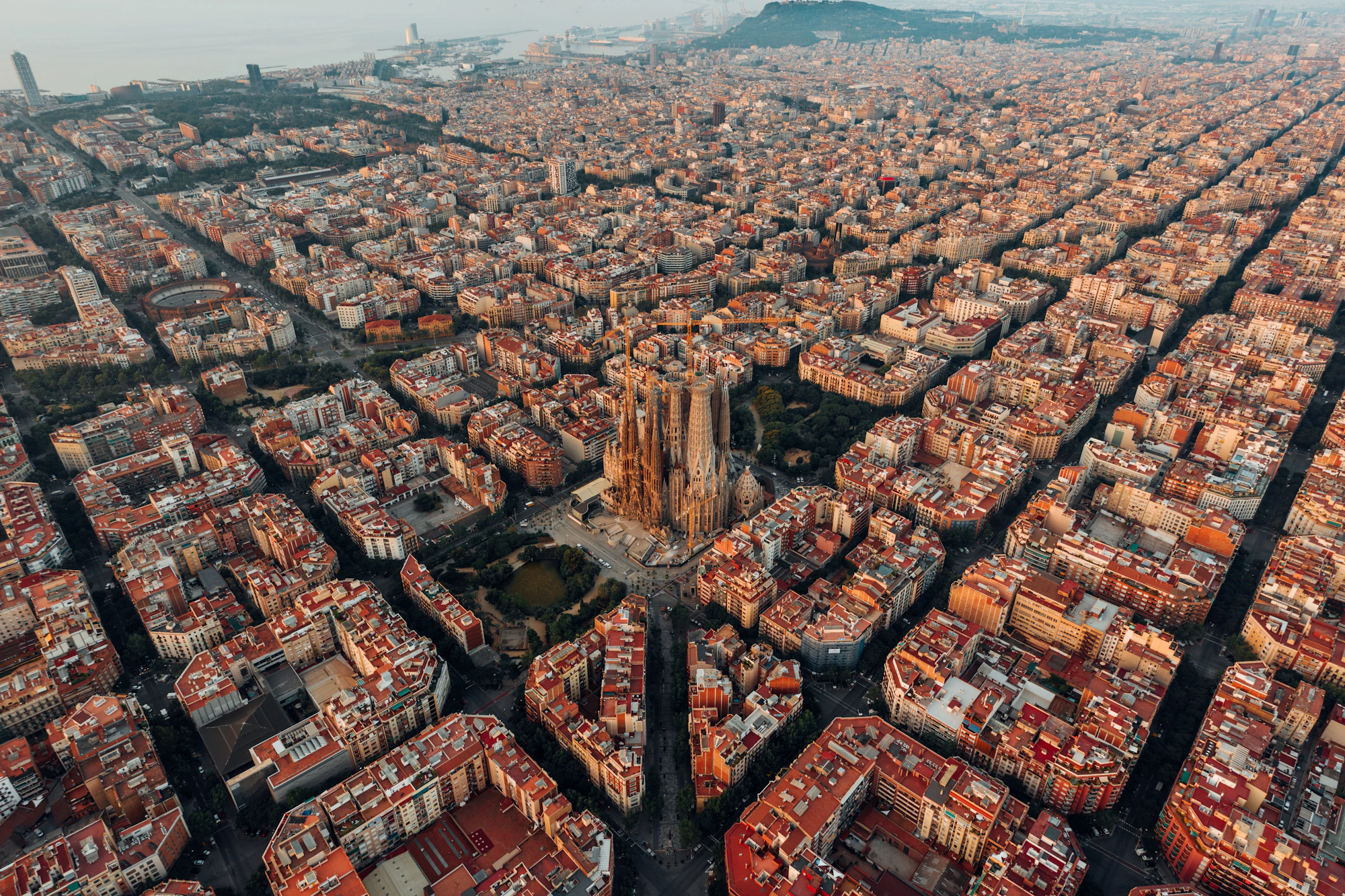
Barcelona
- Balanced, all-in
- $311 a day
- Official advisory
- Level 2: Increased caution
- Best months
- Apr–May, Sep–Oct
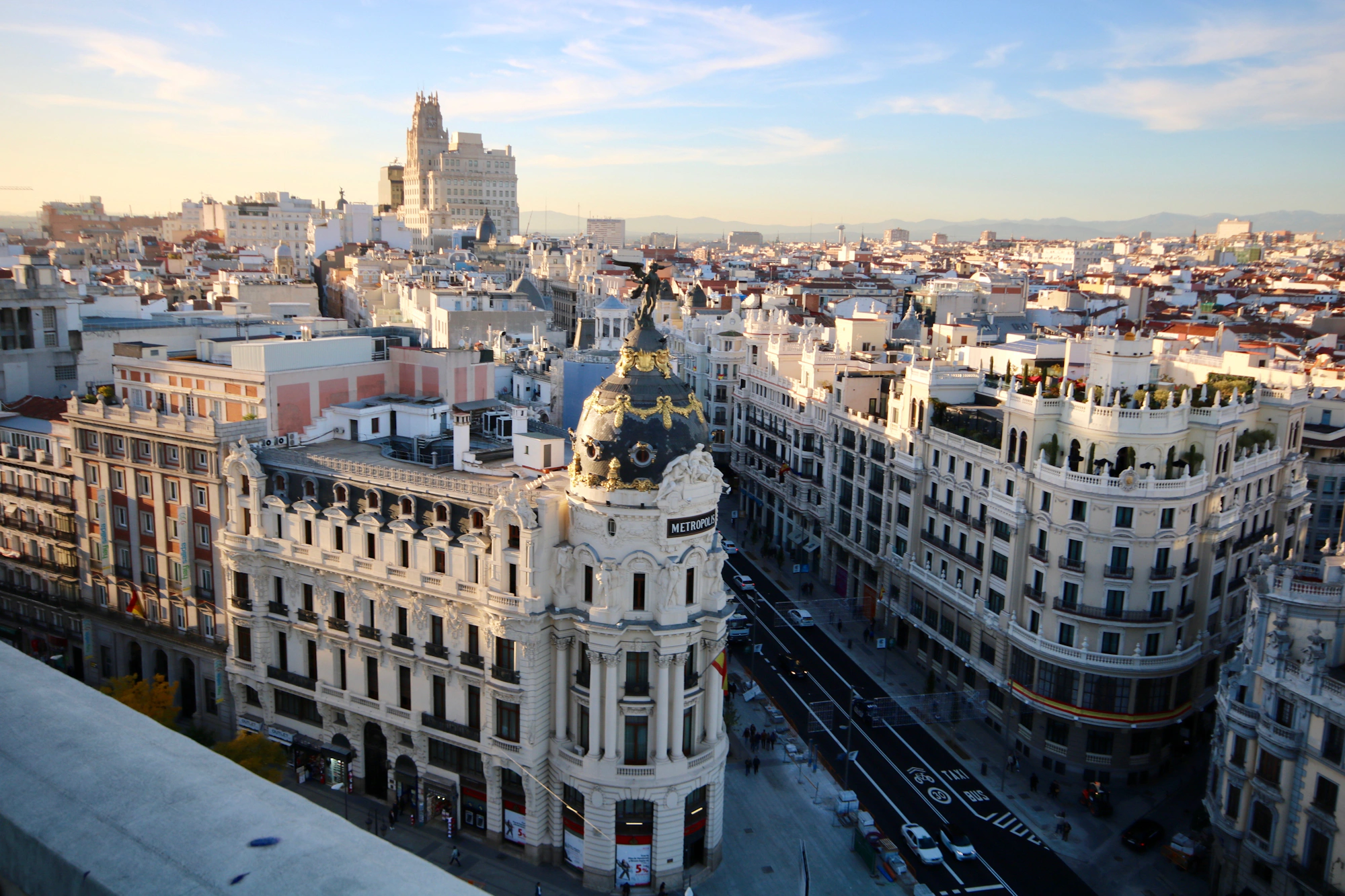
Madrid
- Balanced, all-in
- $222 a day
- Official advisory
- Level 2: Increased caution
- Best months
- Apr–Jun, Sep–Nov
Quick answer: Madrid is cheaper: about $222 a day all-in on a Balanced budget, against $311 in Barcelona (Barcelona costs 40% more).
- Biggest difference: Nature & Outdoor, Barcelona 78 vs 62.
- Barcelona scores higher for Nature & Outdoor and Trendsetting.
- Madrid scores higher for Airport Convenience and Value for Money.
- Same official advisory level: Level 2, Increased caution.
What each costs
| All-in per day (estimate) | Barcelona | Madrid | Difference |
|---|---|---|---|
| Local (budget) | $148 | $104 | Barcelona +$44 |
| Balanced (mid-range) | $311 | $222 | Barcelona +$89 |
| Elevated (comfort) | $757 | $583 | Barcelona +$174 |
| Stay per night (estimate) | Barcelona | Madrid | Difference |
|---|---|---|---|
| Local (budget) | $99 | $58 | Barcelona +$41 |
| Balanced (mid-range) | $197 | $115 | Barcelona +$82 |
| Elevated (comfort) | $362 | $208 | Barcelona +$154 |
These are prices for every traveler. With a free account, costs follow your own travel style.
Scores side by side
| Score | Barcelona | Madrid | Why |
|---|---|---|---|
| Nature & Outdoor | 78 | 62 | Barcelona: City beaches directly accessible from the center, Collserola Natural Park (8,000+ hectares) a short metro ride away, and Montjuïc hill within walking distance — comparable to Rio in having both coast and elevated green space integrated into the urban fabric. Madrid: Retiro Park is a beautiful urban green space, and the Sierra de Guadarrama mountains (ski-able in winter, hikeable in summer) are about 60–80 km away — a solid day trip but not dramatic nature on the doorstep like Cape Town or Vancouver. |
| Airport Convenience | 68 | 82 | Barcelona: El Prat is 14km from center with the Aerobus as the main reliable link (35 min, €6.75) and taxis/rideshare available, but the lack of a direct metro or fast rail connection to the city center is a notable gap compared to Amsterdam Schiphol or Madrid Barajas; terminal facilities are modern and well-equipped. Madrid: Adolfo Suárez Madrid-Barajas is 12 km from the center with a direct Metro Line 8 connection (30–40 min, ~€5 including airport supplement), plus taxis and buses. |
| Value for Money | 62 | 72 | Barcelona: Prices have risen sharply post-2022 due to overtourism pressures and short-term rental restrictions driving up hotel costs — a mid-range dinner for two now typically runs €60–90, making it fair value but no longer the bargain it was a decade ago compared to Lisbon. Madrid: More affordable than Paris or Amsterdam — a quality three-course menú del día lunch costs €12–15, and tapas culture means free or cheap snacks with drinks. |
| Trendsetting | 82 | 75 | Barcelona: A recognized global hub for architecture, design, and fashion (080 Barcelona Fashion Week), home to the Mobile World Congress annually, and a thriving startup ecosystem — strong regional-to-global creative influence comparable to Amsterdam or Milan. Madrid: Madrid punches above its weight in fashion (home to Zara's parent Inditex HQ nearby, strong local designers), contemporary art, and a growing tech startup scene. |
| Culture & History | 82 | 85 | Barcelona: Gaudí's UNESCO-listed works (Sagrada Família, Park Güell, Casa Batlló) plus a Gothic Quarter with Roman foundations and the MNAC art museum give Barcelona a distinctive, well-preserved heritage — strong but not at the density of Rome or Athens. Madrid: The 'Golden Triangle of Art' — Prado, Reina Sofía (home to Guernica), and Thyssen-Bornemisza — is one of the densest museum clusters in the world. |
| Food Scene | 88 | 85 | Barcelona: World-class tapas, seafood, and Catalan cuisine with a thriving market culture (La Boqueria, Mercat de Santa Caterina) and multiple Michelin-starred restaurants — sits firmly in the 'excellent, distinctive' tier alongside Istanbul and Mexico City. Madrid: Madrid excels in traditional Spanish cuisine — jamón ibérico, cocido madrileño, bocadillos — plus a thriving tapas bar culture and Mercado de San Miguel. |
| Nightlife & Social | 85 | 88 | Barcelona: Globally recognized club scene (Razzmatazz, Pacha, Opium) with nightlife that routinely runs until 6am, a dense bar culture across El Born, Gràcia, and Barceloneta — consistently ranked among Europe's top nightlife cities. Madrid: Madrid is one of Europe's premier nightlife cities — clubs in Malasaña and Chueca stay open until 6–7am, the terrace bar scene is world-class, and the city's late dining culture (dinner at 10pm) extends the social window far beyond most European capitals. |
| Accessibility | 63 | 65 | Barcelona: The metro has elevators at most central stations and the city has invested in ramp infrastructure, but the Gothic Quarter's narrow cobblestone streets and uneven surfaces create real challenges — accessible in the Eixample grid, significantly harder in the old town. Madrid: Metro Line 8 to the airport and newer metro lines have elevators, and major museums like the Prado have step-free access. |
| Tourist Infrastructure | 82 | 80 | Barcelona: Contactless payment widely accepted in most restaurants and shops, strong English-language menus in tourist zones, good eSIM/WiFi availability, and Uber operates alongside taxis — minor friction in smaller local bars that still prefer cash. Madrid: Card payments widely accepted in hotels, restaurants, and shops; English menus common in tourist zones; metro signage is bilingual; eSIM and city WiFi available. |
| Walkability & Transit | 76 | 78 | Barcelona: The Eixample grid and La Rambla corridor are highly walkable, and the metro covers the city well with 12 lines. Madrid: The historic core — Sol, Gran Vía, La Latina, Malasaña — is highly walkable and compact, with major attractions reachable on foot. |
Pick Barcelona or Madrid?
Pick Barcelona if…
- Nature & Outdoor matters most (78 vs 62).
Pick Madrid if…
- Airport Convenience matters most (82 vs 68).
- Value for Money matters most (72 vs 62).
- You want to spend less ($222 vs $311 a day).
Scores are the same for everyone. Members also get a fit score that weighs them by what matters to them.
Safety and when to go
| Barcelona | Madrid | |
|---|---|---|
| Official advisory | Level 2: Increased caution | Level 2: Increased caution |
| Issued by | U.S. State Department | U.S. State Department |
| Best months | Apr–May, Sep–Oct | Apr–Jun, Sep–Nov |
Both cities are in Spain, and official advisories are issued per country, so the level is the same for both. It does not mean the two cities are equally safe in every area.
Questions
Is Barcelona or Madrid better to visit?
It depends on what you want. Barcelona scores higher for Nature & Outdoor and Trendsetting; Madrid scores higher for Airport Convenience and Value for Money. Madrid costs less per day.
Is Barcelona or Madrid more expensive?
Barcelona is more expensive. A Balanced (mid-range) day costs about $311 all-in in Barcelona and $222 in Madrid, 40% more, excluding flights.
How much does a week in Barcelona cost compared with Madrid?
Seven nights at a Balanced style cost about $2,177 in Barcelona and $1,554 in Madrid, including stays and daily spending but not flights.
Is Barcelona or Madrid safer?
Both are in Spain, which has one official advisory level for the whole country: Level 2 of 4, Increased caution (U.S. State Department).
Is Barcelona or Madrid better for food?
Barcelona scores higher for Food Scene: 88/100 against 85. World-class tapas, seafood, and Catalan cuisine with a thriving market culture (La Boqueria, Mercat de Santa Caterina) and multiple Michelin-starred restaurants — sits firmly in the 'excellent, distinctive' tier alongside Istanbul and Mexico City.
Is Barcelona or Madrid better for nightlife?
Madrid scores higher for Nightlife & Social: 88/100 against 85. Madrid is one of Europe's premier nightlife cities — clubs in Malasaña and Chueca stay open until 6–7am, the terrace bar scene is world-class, and the city's late dining culture (dinner at 10pm) extends the social window far beyond most European capitals.
Is Barcelona or Madrid better for culture and history?
Madrid scores higher for Culture & History: 85/100 against 82. The 'Golden Triangle of Art' — Prado, Reina Sofía (home to Guernica), and Thyssen-Bornemisza — is one of the densest museum clusters in the world.
Is Barcelona or Madrid better for nature and the outdoors?
Barcelona scores higher for Nature & Outdoor: 78/100 against 62. City beaches directly accessible from the center, Collserola Natural Park (8,000+ hectares) a short metro ride away, and Montjuïc hill within walking distance — comparable to Rio in having both coast and elevated green space integrated into the urban fabric.
Is Barcelona or Madrid better for travelers with limited mobility?
Madrid scores higher for Accessibility: 65/100 against 63. Metro Line 8 to the airport and newer metro lines have elevators, and major museums like the Prado have step-free access.
Is Barcelona or Madrid easier to get around?
Madrid scores higher for Walkability & Transit: 78/100 against 76. The historic core — Sol, Gran Vía, La Latina, Malasaña — is highly walkable and compact, with major attractions reachable on foot.
When is the best time to visit Barcelona and Madrid?
For Barcelona: Apr–May, Sep–Oct. For Madrid: Apr–Jun, Sep–Nov.
Costs and scores are Zerzura estimates, last updated 17 November 2026. All costs are in U.S. dollars, all-in per day (one night’s stay plus a day’s spending), excluding flights.